
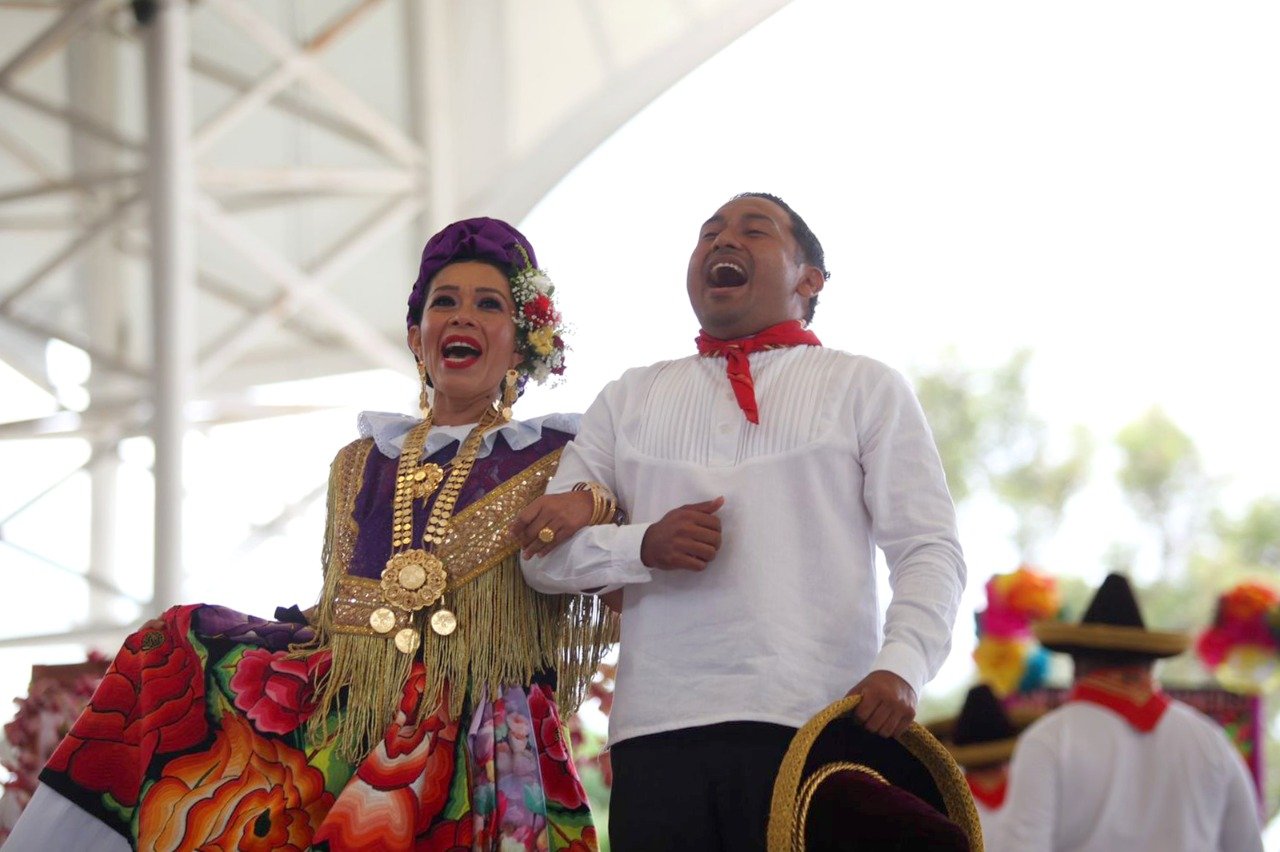
The Guelaguetza is one of Oaxaca’s most recognizable cultural expressions, yet understanding it requires looking beyond the auditorium stage. At its heart lies a profoundly communal idea: sharing what one has, returning received help and participating in collective life. Music, dance, clothing, food, crafts and memory therefore come together through communities with distinct identities.
For travelers, July offers an exceptional chance to experience this diversity. It is also a high-demand season with busy streets and overlapping events. This guide explains the celebration’s meaning and offers practical advice for approaching it thoughtfully, rather than seeing it only as a colorful performance.
What does Guelaguetza mean?
The Government of Oaxaca connects the term to the Zapotec word guendalezaa, interpreted as an offering, gift or fulfillment. In community life, it describes a network of reciprocity: a person or family contributes labor, food or resources, and the community responds when support is needed. The concept is therefore deeper than a simple present; it recognizes that collective life depends on shared relationships and responsibilities.
This principle helps explain why delegations offer products from their home regions to the audience. Fruit, bread, coffee, textiles and crafts accompany the dances as symbolic gifts. Visitors receive a glimpse of regional identity and an invitation to understand Oaxaca’s cultures as living traditions rather than museum displays.
From maize rituals to the Mondays on the Hill
Institutional accounts trace the celebration to ancient ceremonies on Fortín Hill associated with Centéotl, a maize deity. Catholic elements and festivities connected to Our Lady of Mount Carmel were incorporated over time. The modern public event also developed through regional gatherings organized during the early twentieth century.
The principal auditorium performances are known as the Lunes del Cerro, or Mondays on the Hill, followed by their Octava. Exact dates and programs change each year, so travelers should consult official channels before booking transportation or accommodation. Beyond the auditorium, Oaxaca City often hosts calendas, exhibitions, concerts, food fairs and cultural events in neighborhoods and nearby municipalities.
One celebration, many Oaxacas
It would be misleading to speak of a single Oaxacan culture. Guelaguetza delegations represent different territories, languages, histories and forms of dress. Sones, chilenas, jarabes, brass bands, instruments and choreographies shift from one presentation to another. The materials and meanings of huipiles, embroidery, headdresses, hats and accessories also vary widely.
Paying attention to those details changes the experience. A dance may narrate a wedding, agricultural work, a patron-saint festival or a local story. Music is not decorative background; it carries the identity of each delegation. Reading the program beforehand and listening to community explanations makes every performance richer and more memorable.
How to plan a Guelaguetza trip
Oaxaca City receives a large number of visitors during July. Booking lodging and transportation in advance reduces the risk of limited choices and higher prices. If you want to attend an auditorium performance, use official ticket outlets and announcements. Do not purchase tickets without verifying their origin, and remember that access rules and availability can change between editions.
- Add extra days because the celebration also unfolds in markets, museums, neighborhoods and nearby towns.
- Carry sun protection and a light rain layer; July often combines strong sunshine with showers.
- Allow extra transportation time for street closures, calendas and heavier traffic.
- Ask before taking close-up photographs of participants, artisans or community ceremonies.
What to do around the main performances
A cultural journey can continue through the Central Valleys. Monte Albán reveals the historical depth of Zapotec territory; Arrazola and San Martín Tilcajete showcase different woodcarving and painting traditions; San Bartolo Coyotepec is renowned for black pottery, while Teotitlán del Valle maintains an important textile practice. Visiting workshops with local guidance helps you understand the processes and buy directly from makers.
Another route connects the Tree of Tule, Mitla, Hierve el Agua and a mezcal palenque. It works well for travelers with a full day who want to combine heritage, landscapes and food culture. Distances and schedules make an early departure advisable, and you should confirm which admission fees, meals and activities are included.
How to be a respectful visitor
Guelaguetza is not simply a tourism date. For many communities it is a chance to represent their history and strengthen the transmission of knowledge. Listening, asking permission and avoiding stereotypes are simple but meaningful actions. Pay fair prices for crafts, choose local services and do not treat ceremonial clothing as a costume stripped of its context.
The best memory is not always the closest photograph of the stage. It may be a conversation with an artisan family, the sound of a brass band moving through a street or the realization that each delegation offers something that represents its community. A respectful approach leaves a more positive impact and creates a deeper travel memory.
A celebration that changes how you see Oaxaca
Experiencing Guelaguetza means recognizing that Oaxaca is not a single image. It is a conversation among regions and generations, between community life and a city welcoming visitors from around the world. Planning ahead helps, but being ready to listen matters even more. Combine the performances with historical tours and community visits, and you will return with a broader understanding of the state.